Taylor Industry Insights
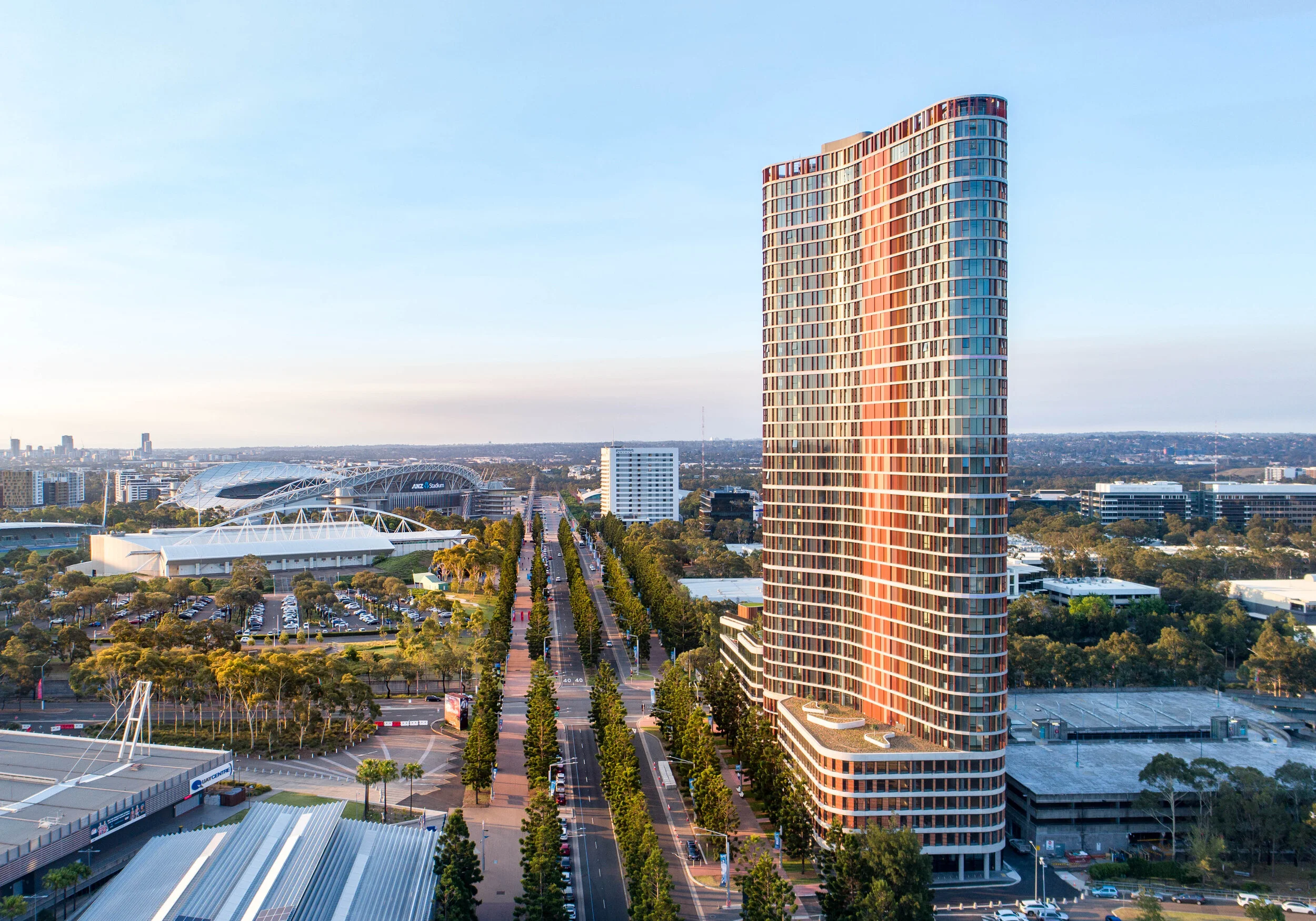
Connecting People and Spaces
Established by Mark Taylor in 1994, Taylor design, construct and develop diverse projects across all sectors. With over 250 team members, Taylor service clients across the core divisions of Construction, Refurbishment & Live Environments, Industrial, Regional, and Property.
Guided by a client-focused, relationship driven approach Taylor has become one of NSW’s most respected construction companies.
Over 80% of Taylor’s projects are delivered through a design and construct delivery model – from concept to completion. This delivery model ensures there is total collaboration across multi-discipline teams, with an aligned focus on achieving a client’s vision, whilst minimising client risk throughout the development of a project.
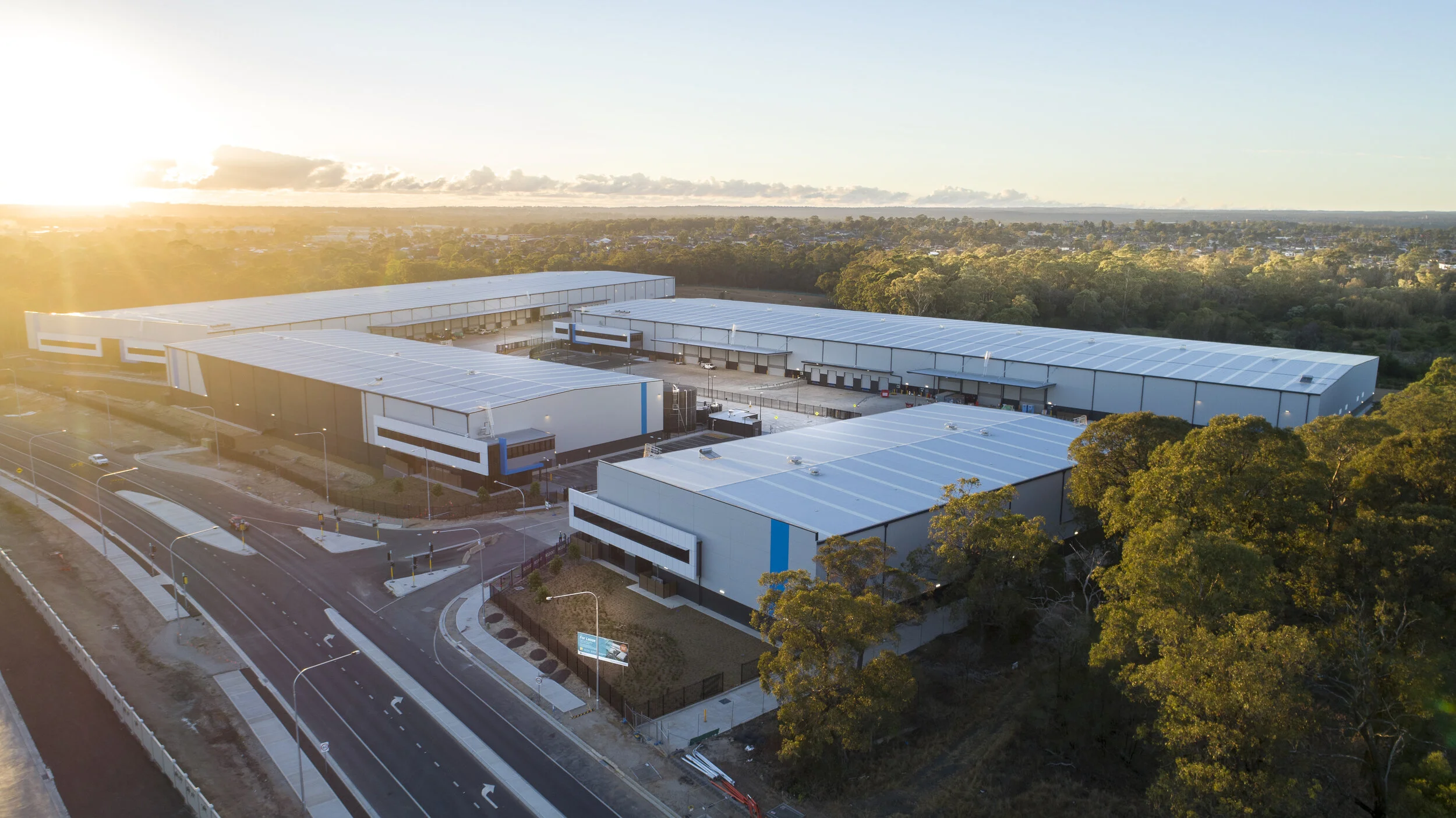
Taylor create enduring spaces by focussing on the end user to connect the projects they deliver with the needs of the people who use them.
The Taylor team delivers projects valued from $5 million to over $175 million across diverse, operating environments. Current projects include the Sydney Opera House Concert Hall Renewal Program, The New Heart of Ryde Community and Civic Centre, and the Australian Turf Club’s new Winx Stand at Royal Randwick.
Taylor’s expertise spans a diverse range of sectors, including; community projects, hospitality, learning precincts, libraries, education sports and arts facilities for schools and universities, multi-storey residential developments, aged care, commercial buildings, health, industrial facilities and data centres, retail, and more.
Giving Back
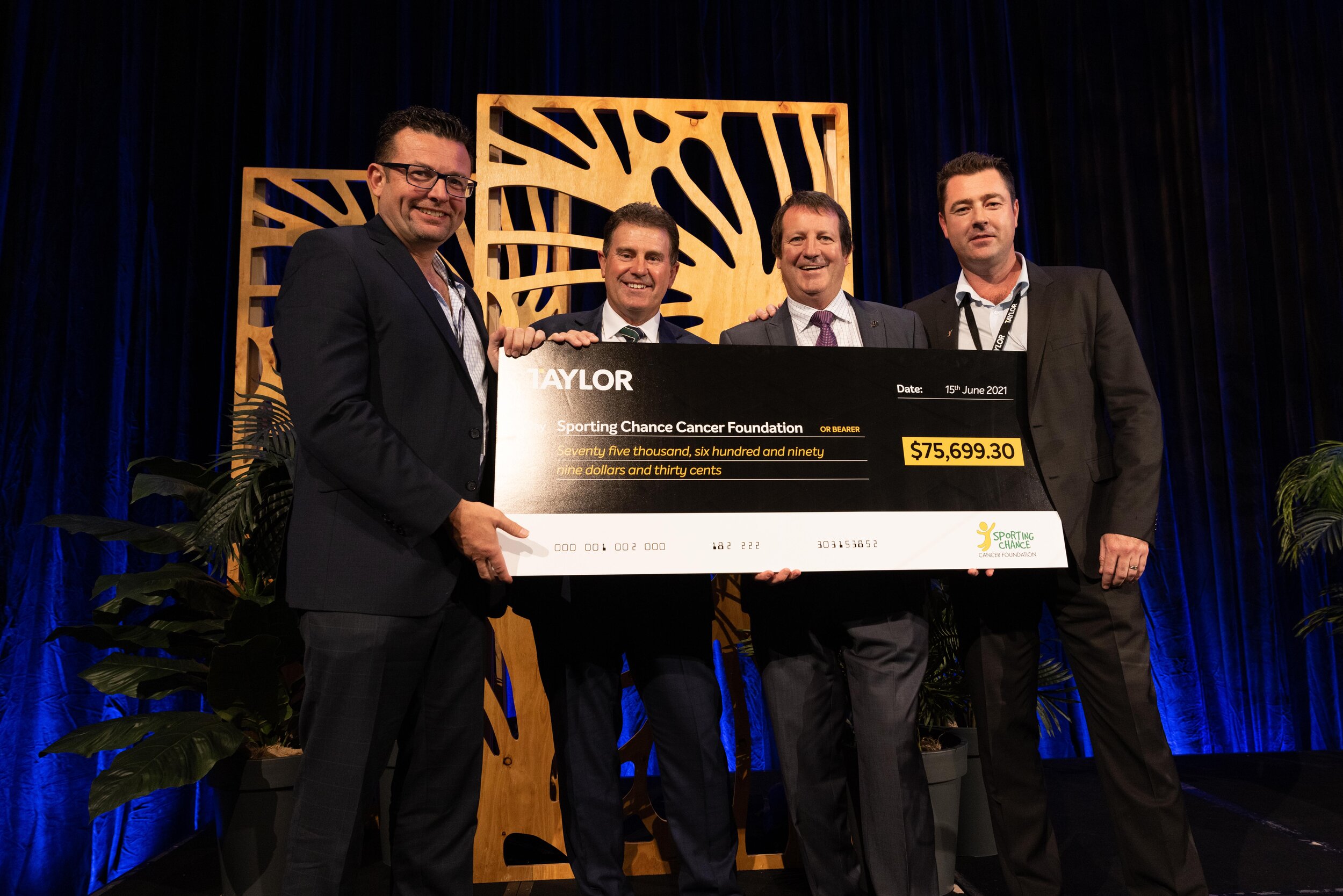
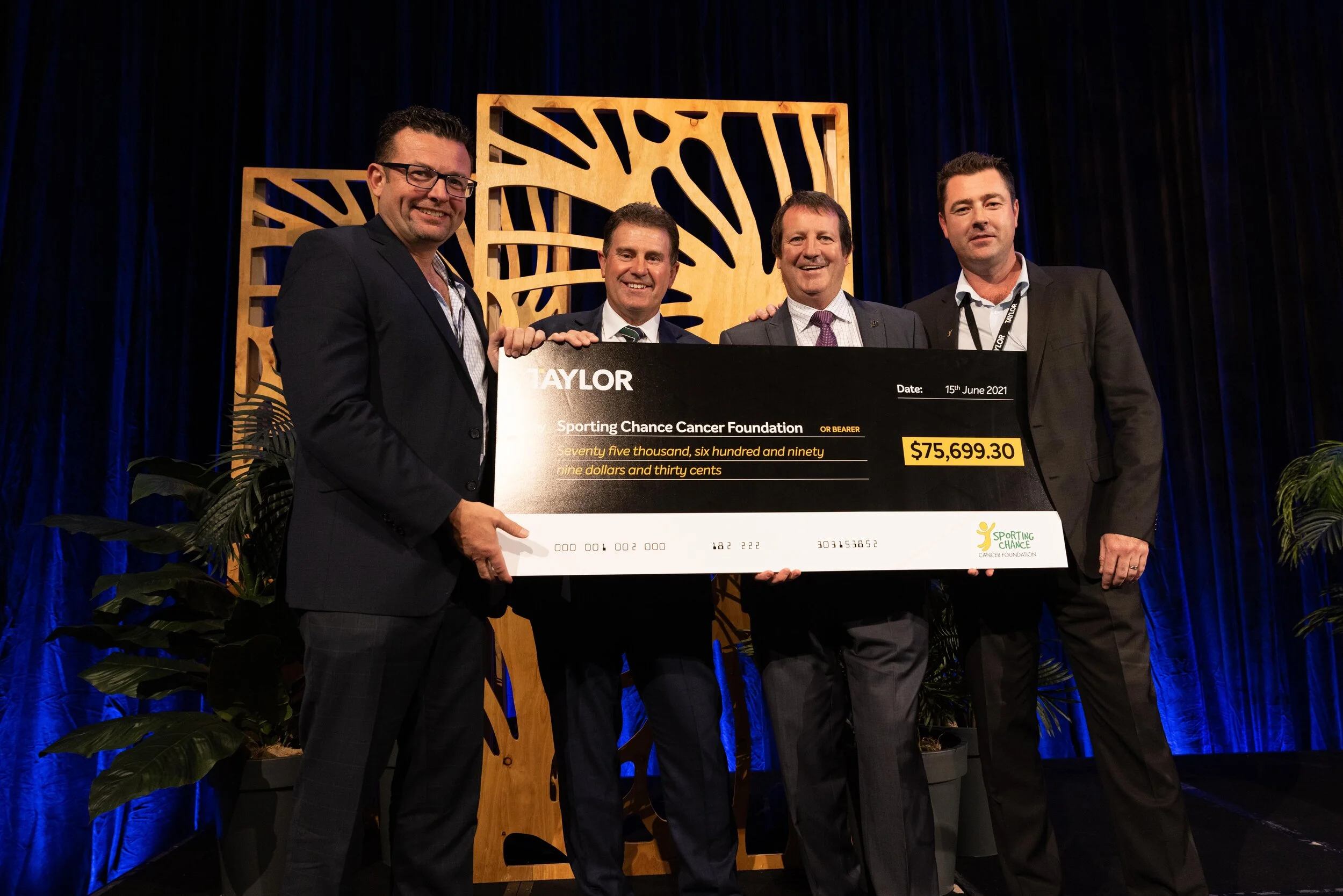
Taylor values the role the company can play in creating a positive impact on individuals, communities, and the environment. The company holds an annual charity Golf Day, having raised more than $120,000 for Sporting Chance Cancer Foundation over the last two years and a total of $300,000 for chosen charities since its inception five years ago. Taylor has been a corporate partner of the Property Council of Australia for 10 years, in addition to its Future Directions Series and is a long term supporter of the Property Industry Foundation. With the Arts particularly impacted by COVID, Taylor became a Production Patron of Sydney Opera House’s New Work Now initiative, helping to provide meaningful support for local Australian artists and arts workers.
Trends in Construction
Safety & COVID-19
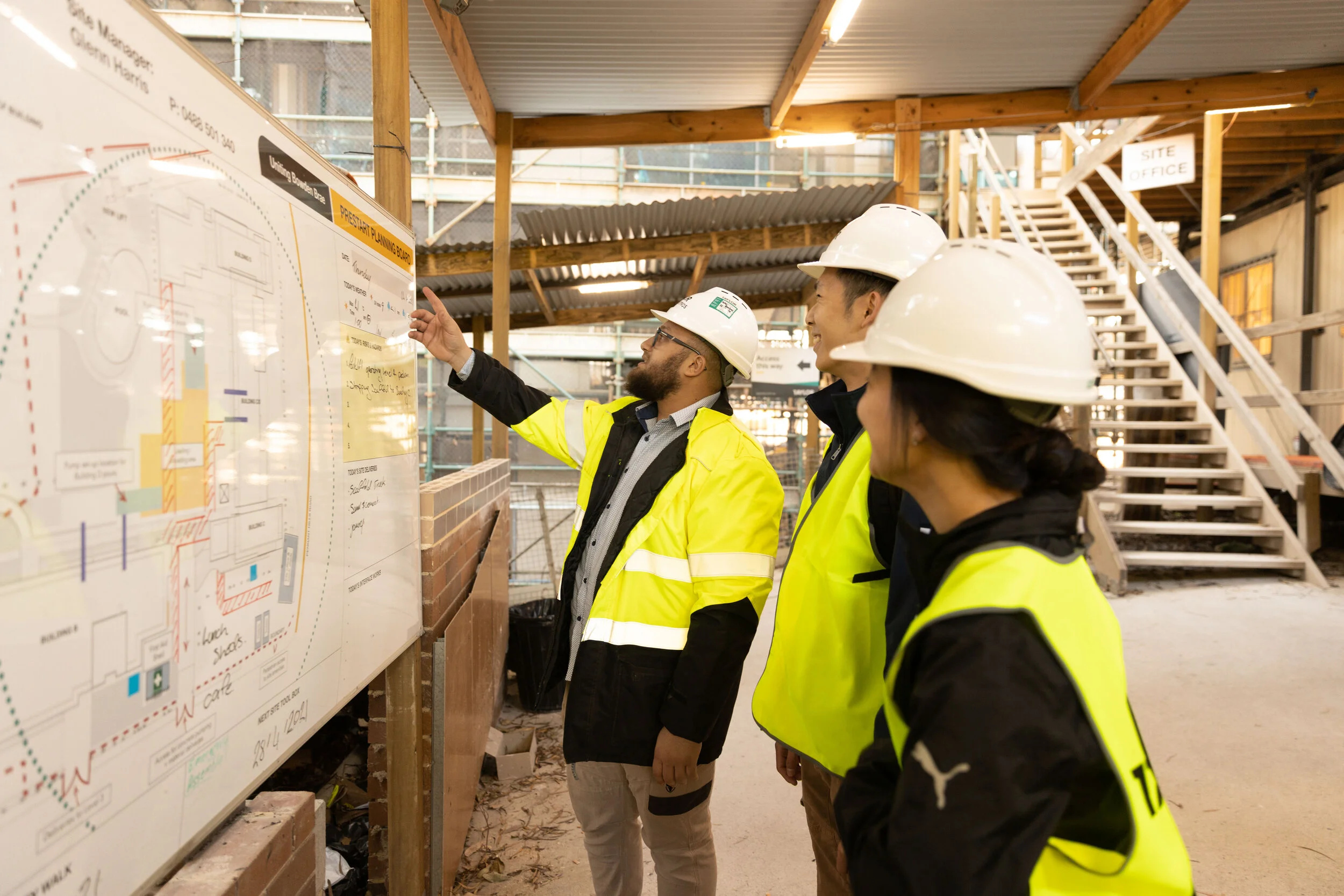
As we are right in the midst of the Delta strain lockdown in Greater Sydney, the construction sector must continue to prioritise safety and wellbeing, and adopt all appropriate mechanisms to facilitate safe continuity of works. The anticipated adoption of rapid-testing for workers will come in to play. Greater segregation of teams, individuals, trades, and machinery use will be adopted to protect workers. With the continued support of government and industry bodies, there is no reason why the sector can’t continue to be at the forefront of COVID safety, contact-tracing, and work place management.
Emerging Technologies
What’s happening today in the field of technology will impact the construction sector significantly over the next decade. Taylor is partnering with a number of technology leaders to leverage future technologies and current trends. In a joint venture partnership with Telstra and Telstra Purple, the technology consulting arm of Telstra, Taylor successfully trialled 5G for business on Taylor worksites, reducing costs whilst gaining operational efficiencies.
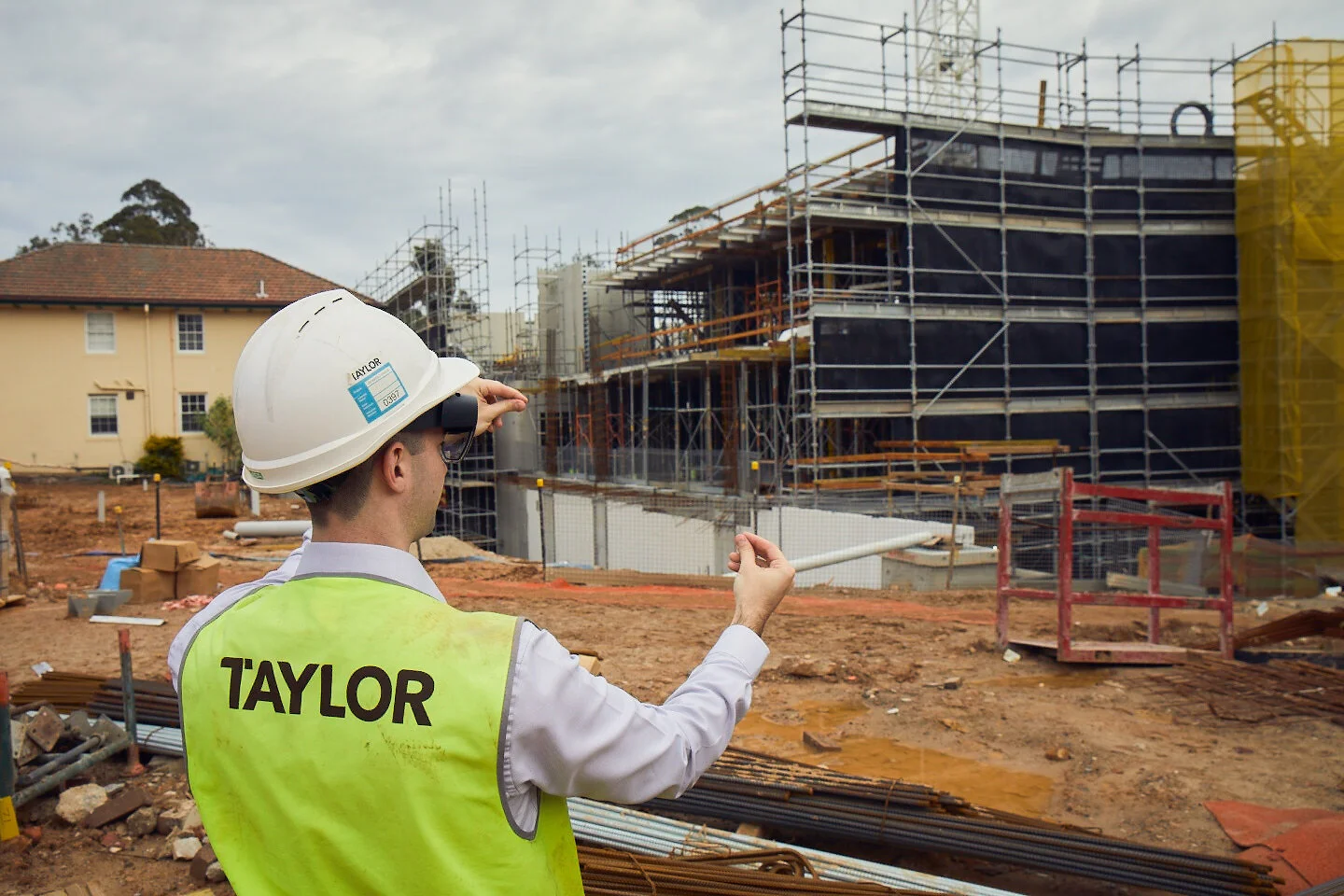
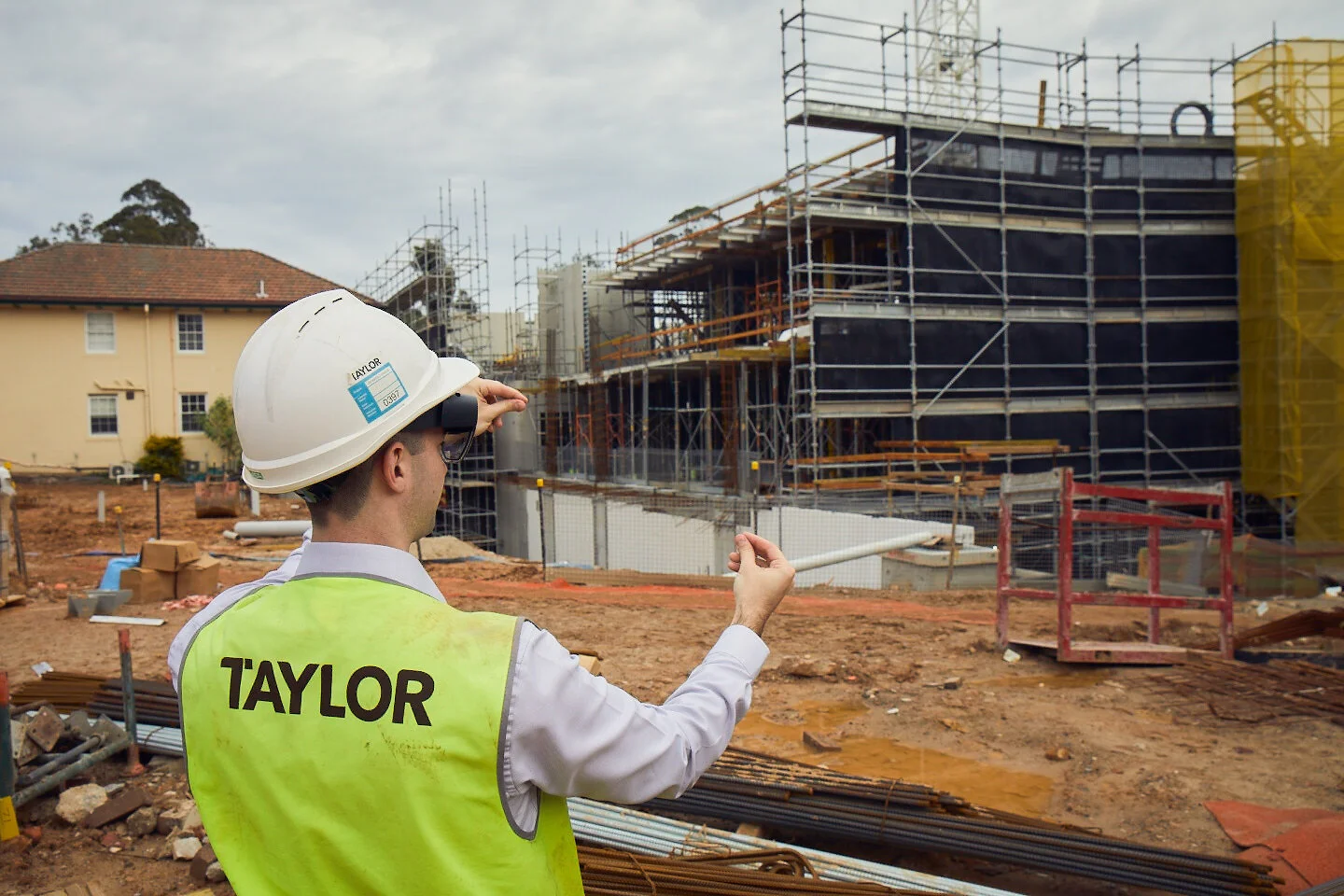
Emerging technologies in augmented reality are disrupting the property and construction industry and the COVID-19 pandemic has only accelerated this process. Taylor is investing in an R&D partnership with Microsoft, trialling augmented and mixed reality solutions for 3D, 4D, & 5D construction planning. Holographic building visualisation, wide-area safety scanning, IoT structural sensing, smart sensors and real-time design display are all undergoing rapid innovation.
DfMA – Design for Manufacture and Assembly
In recent years, the adoption of DfMA has seen an evolution in both practice and mindset to address contemporary building challenges. Application of DfMA methods deliver multiple benefits on construction projects:
– Improved safety and wellbeing of workers in controlled environments
– Reduced numbers in working environments during both manufacture and assembly
– Greater opportunities for stakeholders to provide input during engineering phase
– Considerably less labour required than traditional methods
– Significant reduction in build time
– Quality increases from specialised manufacture
– Reduction of materials waste
– Reduction in deliveries and disruption to work sites
– Full lifecycle costing can be undertaken earlier
– Reduction in number of parts or materials required for projects, and the resulting cost-savings.
– Simplification of installation methods that cut time and cost.
Diversity & Inclusion
Diversity is a strength. Diversity of experience, backgrounds, orientations, and perspectives have been proven to drive innovation and to deliver better business outcomes for everyone. We will see the impact of diversity continue to grow within the property and construction sector.
Taylor’s purpose is Connecting people and spaces. Connection is a unifying thread that runs through everything the business does. Fostering safe and inclusive workplaces in construction, where people feel connected and accepted for their differences, helps to maintain a productive, positive, and collaborative workplace culture.
Sustainability
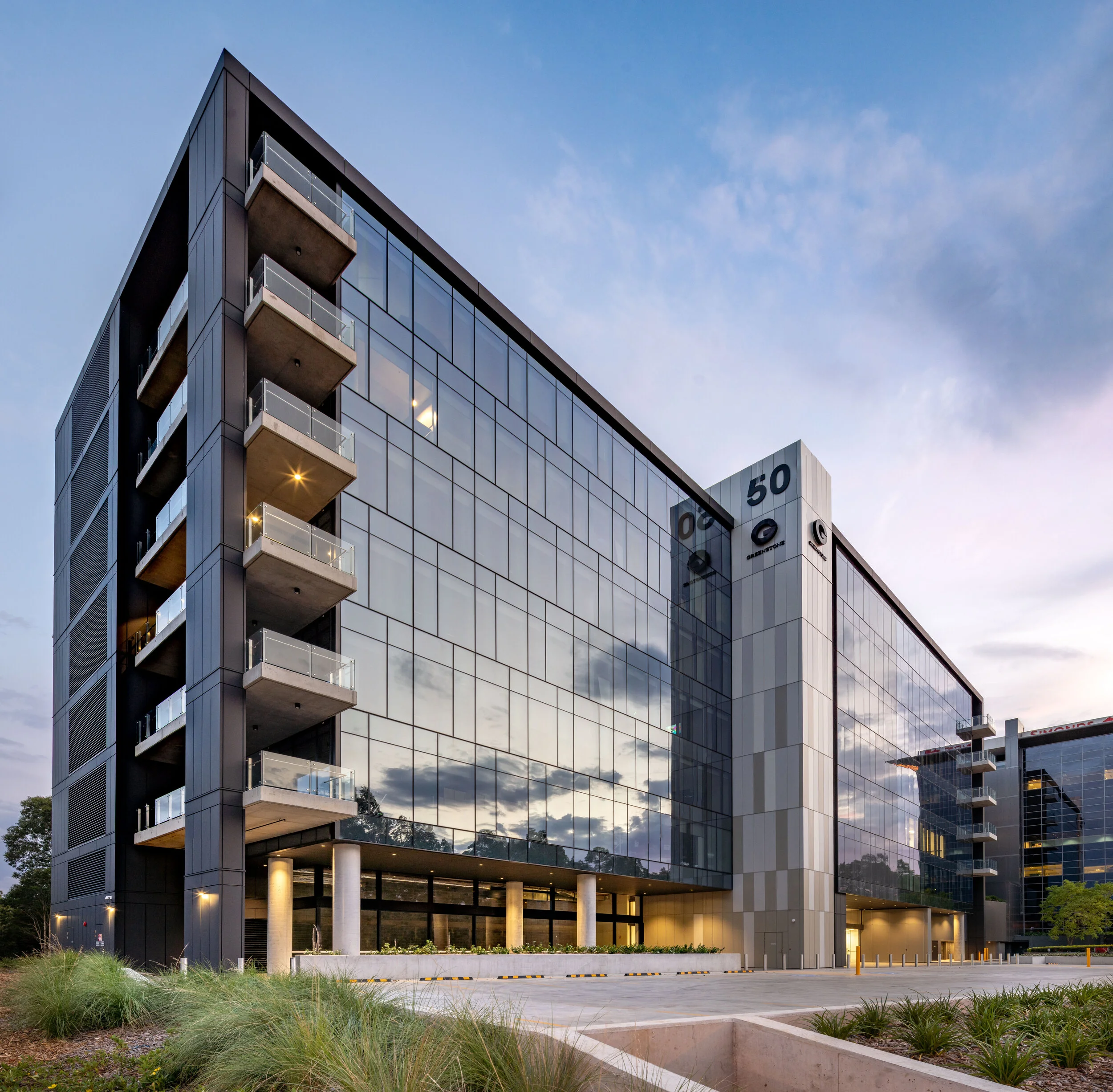
It is now well-documented that a good environmental outcome need not result in escalated project costs. By its very nature, reducing a building’s resource consumption has a positive effect on the overall life-cycle costing of construction – including large energy-cost savings. Sustainable development is not limited to a building’s effect on its external environment. Promoting good levels of indoor environment quality results in demonstrable improvement in occupant health, satisfaction and well-being. As well as providing specific design input tailored to the requirements of individual projects. Resource efficiencies and sustainability ratings that were once aspirational are rapidly becoming the norm.
Stay connected with us!